
Tensile Strength
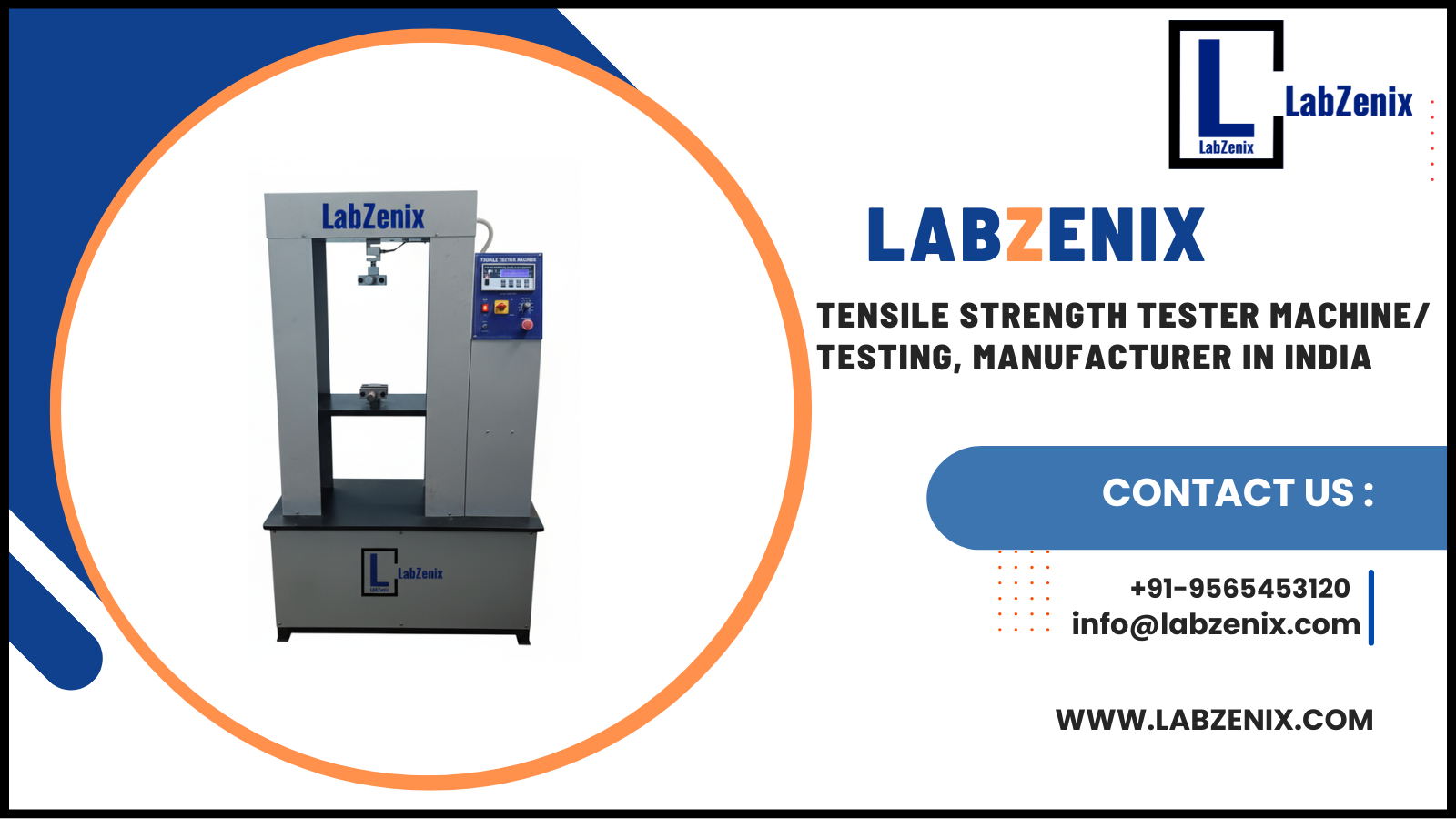
Boost your product’s durability with LabZenix’s advanced Tensile Strength Tester Machine! ✅ Our precision equipment delivers accurate, reliable results for quality control & material research. Ensure strength, safety, and compliance. 🏭➡️🏆 Get your quote today!
Model No. LZTST-D
Description
📦 The Unsung Hero of Your Supply Chain: Why a Tensile Strength Tester is Non-Negotiable
In the fast-paced world of logistics and e-commerce, a corrugated box is often the first and last line of defense for a product. It withstands stacking, rough handling, variable humidity, and long journeys. But how can you be absolutely sure your packaging won’t fail when it matters most? The answer lies not in guesswork, but in precise, data-driven quality control. At the heart of this process is a critical instrument: the Tensile Strength Tester.
For packaging manufacturers and brand owners, understanding the mechanical properties of corrugated board and other packaging materials is paramount. It’s the difference between a product arriving in pristine condition and a customer receiving a damaged good. This article dives deep into the world of packaging strength validation, exploring why a reliable Tensile Strength Tester is your most valuable asset in ensuring box integrity and protecting your brand reputation. 🛡️
🛠️ What is a Tensile Strength Tester and What Does It Measure?
At its core, a Tensile Strength Tester (often called a universal testing machine or UTM in a broader context) is a precision instrument designed to apply a controlled, pulling force to a material sample until it fractures. It measures the material’s resistance to being pulled apart. For the packaging industry, this isn’t just about pulling boxes; it’s about testing the fundamental components that give a box its strength.
The key measurements provided by a Tensile Strength Tester include:
Tensile Strength: The maximum stress a material can withstand while being stretched or pulled before it breaks. This is crucial for materials like tapes, liners, and strapping.
Elongation at Break: How much the material stretches before it fails, indicating its ductility.
Peak Load Value: The highest force recorded during the test.
When we talk about corrugated boxes, the strength doesn’t just come from the board itself but from a combination of factors, including the adhesives used. This is where the Box Compression Tester often works hand-in-hand with tensile analysis. While a Tensile Strength Tester evaluates the material’s resistance to pulling forces, a Box Compression Tester assesses the box’s ability to withstand top-to-bottom stacking forces, which is critical for palletization and warehouse storage.
🧪 The Direct Link Between Tensile Strength and Box Performance
You might wonder, “My boxes are stacked, not pulled apart. Why is tensile strength so important?” The connection is more direct than it seems. The structural integrity of a corrugated box is a symphony of its components, and a Tensile Strength Tester helps you fine-tune each instrument.
Paper & Liner Quality: The tensile strength of the kraft paper or liners used directly influences the overall Edge Crush Test (ECT) value of the board. A higher tensile strength in the liners translates to a higher ECT, which means a box can support more weight. Using a Tensile Strength Tester on paper samples is a fundamental quality check for raw materials.
Adhesive Bonding Strength: The flutes in a corrugated board are held in place by adhesive. The bond between the liner and the medium must be strong enough to resist delamination under stress. A Tensile Strength Tester can perform a Peel Strength Test to measure the quality of this adhesive bond. A weak bond can cause the board to fail prematurely under compression, even if the paper itself is strong.
Handle and Closure Integrity: For boxes with integrated handles or specific closure systems like tear tapes, the tensile strength of these elements is vital. A Tensile Strength Tester can verify that a handle can endure the force of being carried without tearing.
✅ Beyond Tensile: The Essential Role of a Bursting Strength Tester
While tensile testing is fundamental, it’s part of a larger ecosystem of quality checks. Another critical metric in the packaging world is bursting strength. A Bursting Strength Tester measures the resistance of the board to rupture when a force is applied perpendicularly to its surface by a rubber diaphragm. This test simulates scenarios like sharp impacts or internal pressure from overfilled boxes.
Think of it this way: The Tensile Strength Tester tells you how strong the “threads” of your material are, while the Bursting Strength Tester tells you how well the entire “fabric” holds together against a blunt, penetrating force. Both are essential for a holistic understanding of your packaging’s durability. For many international shipping standards, such as the Mullen Test (performed by a Bursting Strength Tester), is a mandatory requirement.
🔬 Precision Engineering: The Hallmark of a LabZenix Tensile Strength Tester
Not all testing equipment is created equal. The accuracy of your data depends entirely on the precision of your instrument. A high-quality Tensile Strength Tester from LabZenix is engineered for reliability and user-friendliness. Key features to look for include:
Robust Load Frame: Ensures stability and alignment during testing, preventing inaccurate readings.
Precision Load Cell: The heart of the instrument, accurately measuring the applied force.
User-Friendly Software: Intuitive interface for setting test parameters, real-time graph display, and automated calculation of results (tensile strength, elongation, etc.).
Versatile Grips: Interchangeable grips for testing different materials, from paper and plastic films to composites and adhesives.
Investing in a sophisticated Tensile Strength Tester is an investment in quality assurance. It allows you to catch inconsistencies in raw materials, optimize production processes, and ultimately, deliver a superior, more reliable product to your customers.
💡 Practical Applications in the Corrugated Box Industry
How does this translate to the factory floor? Here are practical ways a Tensile Strength Tester is used daily:
Incoming Raw Material Inspection: Test samples of paper rolls from different suppliers to ensure they meet your specified tensile strength requirements.
In-Process Quality Control: Regularly test the adhesive bond strength during production to quickly identify any issues with glue application or formulation.
Final Product Validation: Perform Peel Strength Tests on finished board samples to guarantee the corrugated structure is sound before it is converted into boxes.
Research & Development: Use the data to develop new, stronger, or more lightweight packaging solutions, helping clients reduce material costs without compromising on protection.
Frequently Asked Questions (FAQ) 🤔
Q1: What is the main difference between a Tensile Strength Tester and a Box Compression Tester?
A Tensile Strength Tester applies a pulling force to a material sample (like paper or adhesive) to measure its resistance to tearing. A Box Compression Tester applies a crushing, compressive force to a complete box to simulate stacking in a warehouse. They measure different but complementary aspects of box performance.
Q2: Why is the Peel Strength Test important for corrugated boxes?
The Peel Strength Test, performed on a Tensile Strength Tester, measures the bond strength between the liner and the fluted medium. A weak peel strength indicates poor adhesion, which can lead to delamination and catastrophic box failure under load, even if the paper itself is strong.
Q3: Can a Tensile Strength Tester be used for other packaging materials?
Absolutely. While crucial for paper and board, a Tensile Strength Tester is incredibly versatile. It can be used to test the strength of plastic films, woven sacks, tapes, strapping, and even the tensile properties of rigid plastics used in clamshell packaging.
Q4: How does a Bursting Strength Tester provide different information than a Tensile Strength Tester?
A Bursting Strength Tester measures a material’s resistance to rupture from a force applied perpendicularly to its surface. A Tensile Strength Tester measures resistance to a pulling force parallel to the surface. Bursting strength gives a composite measure of a board’s toughness, while tensile strength analyzes the material’s inherent pulling strength.
Q5: What is the relationship between tensile strength and the Edge Crush Test (ECT)?
The tensile strength of the liner boards is a primary factor in determining the Edge Crush Test result. Stronger liners contribute significantly to a higher ECT value, which directly correlates to the top-to-bottom compression strength of a finished box.
Contact – LabZenix

Call Us
+91 9565453120
Call Sales
+91 9354572961

info@labzenix.com

Address
LabZenix Industries Pvt. Ltd. 3D/98 New Industrial Town Faridabad , Haryana - 121001