
Tensile Testing
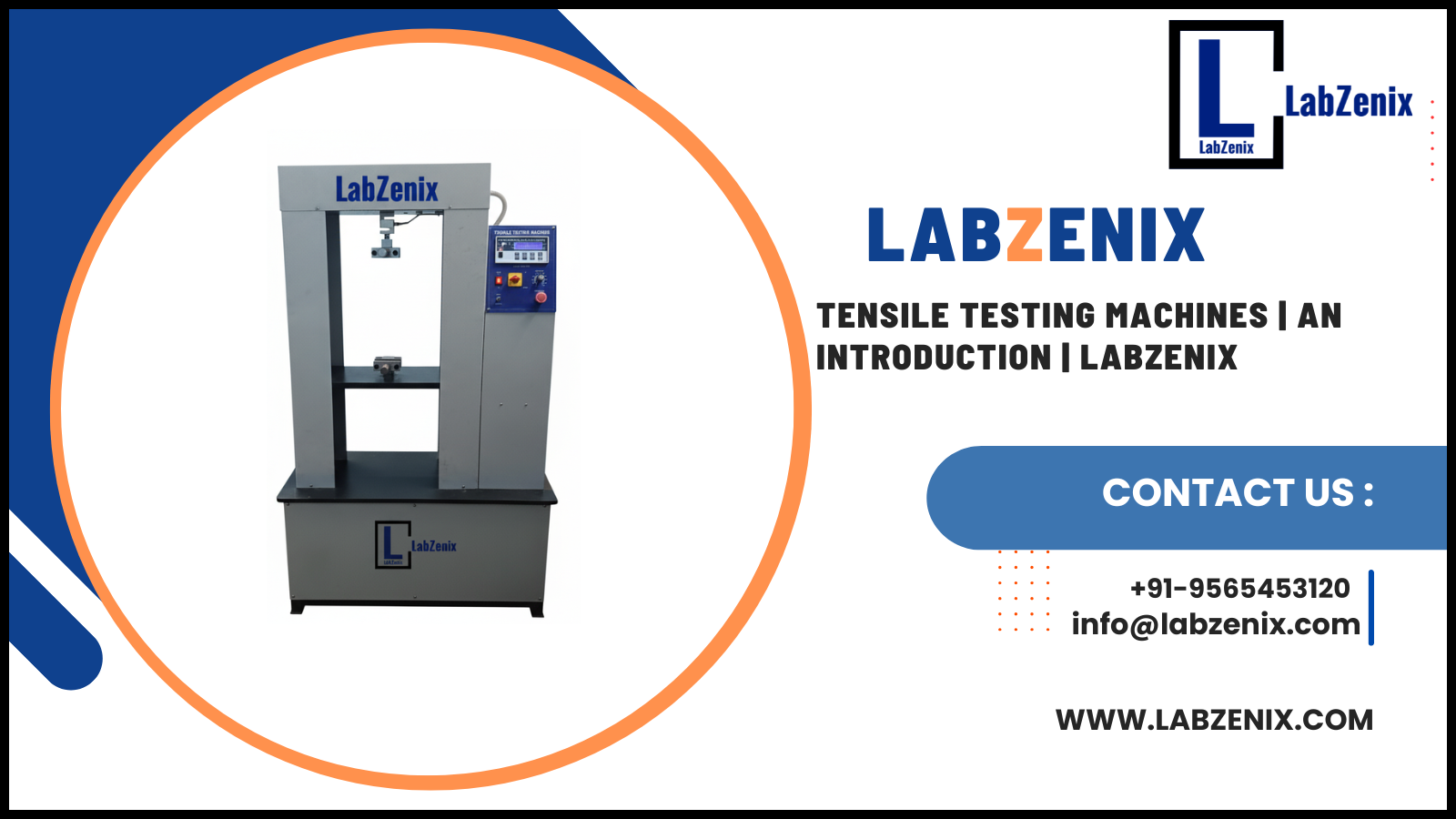
Ensure your packaging never fails. 🏆 LabZenix’s Tensile Testing Machines provide the crucial data to guarantee box strength & durability. Optimize materials, reduce costs, and protect your brand’s reputation. Get lab-accurate results for unshakeable quality control. 📦
Model No. LZTST-D
Description
The Unsung Hero of Your Packaging Line: Why Tensile Testing Machines are Non-Negotiable 🏆
In the fast-paced, high-stakes world of the packaging and corrugated box industry, every single decision boils down to a delicate balance. You’re constantly juggling cost-efficiency, sustainability goals, and the most critical factor of all: product integrity. A box isn’t just a box; it’s a promise. It’s a promise that your client’s premium electronics, fragile glassware, or heavy industrial parts will arrive in perfect condition. So, how can you be absolutely sure that the corrugated cardboard you’re using is up to the task? The answer lies not in guesswork, but in cold, hard, undeniable data. And the key to unlocking that data is a piece of equipment that deserves a standing ovation: the Tensile Testing Machine.
Let’s be real. When people think about packaging innovation, they might picture sleek designs or smart labels. But for quality managers and production engineers, the real magic happens in the lab. This is where Tensile Testing Machines prove their worth, acting as the ultimate judge of a material’s strength and resilience. 🧪
What Exactly is a Tensile Testing Machine? (It’s Simpler Than You Think!)
At its core, a Tensile Testing Machine is a marvel of engineering simplicity. Its primary job is to pull something apart—measuring the force it takes to do so and how the material behaves under that stress. Think of it as a controlled, incredibly precise tug-of-war. The machine has two main grips: one holds the test specimen securely, while the other moves away at a constant speed, applying a steadily increasing pulling force (tensile force) until the material fractures.
While the concept is straightforward, the technology inside modern Tensile Testing Machines is sophisticated. They are equipped with sensitive load cells that measure the force and advanced software that captures every millisecond of the test. This process generates a wealth of data, which we’ll dive into shortly. For the packaging industry, these machines are specifically calibrated to test the fundamental components that define a box’s strength.
The Cornerstone of Corrugated Quality: Key Tests Performed by Tensile Testing Machines 📦
Your corrugated board is a composite hero—a sandwich of liners and fluted medium. Each layer contributes to the overall strength. Tensile Testing Machines allow you to deconstruct this sandwich and validate each ingredient. Here’s how:
Edge Crush Test (ECT): This is arguably the MOST critical test for corrugated boxes. While not a pure tensile test in the traditional sense, modern Tensile Testing Machines are often the platform used to perform it. Instead of pulling, the machine compresses a small section of board on its edge. The ECT value directly correlates to a box’s top-to-bottom compression strength—its ability to be stacked in a warehouse without collapsing. High ECT means better stackability, which translates to fewer damaged goods and happier customers. This is a non-negotiable metric for any serious corrugated box manufacturer.
Flat Crush Test (FCT): This test measures the resistance of the fluted medium to crushing. A Tensile Testing Machine applies a compressive force to a flat surface of the board. A good FCT value indicates that the board can withstand external pressures during handling and printing processes, ensuring the flutes don’t collapse and compromise the box’s cushioning and strength properties.
Ring Crush Test (RCT): Similar to ECT, the RCT focuses on the compressive strength of the paperboard itself (often the liner or medium before it’s corrugated). It involves crushing a circular ring of the paper. This data is crucial for predicting the final performance of the corrugated board and for quality control of incoming paper rolls.
True Tensile Strength of Materials: This is where the Tensile Testing Machines truly shine in their classic form. You can test the tensile strength of the liner papers, the tape used for sealing, the straps, and even the plastic films used in composite packaging. Understanding how much pull these materials can withstand before breaking is vital for ensuring boxes stay sealed during rough transit.
Beyond the Break Point: The Goldmine of Data from Your Tensile Testing Machine 📊
The moment a sample breaks in a Tensile Testing Machine is dramatic, but the real value is in the journey, not the destination. The software generates a detailed graph called a stress-strain curve. This curve tells a complete story about the material’s personality:
Tensile Strength: The peak force the material withstands before breaking. (The “how strong is it?” number).
Elongation at Break: How much the material stretched before it failed. This indicates brittleness or flexibility. A tape with high elongation is more likely to absorb shock without snapping.
Yield Strength: The point at which the material stops deforming elastically (springing back) and starts deforming plastically (permanently stretching). This is crucial for materials that need to absorb energy.
Modulus of Elasticity (Young’s Modulus): A measure of the material’s stiffness. A high modulus means the material is rigid; a low modulus indicates it’s flexible.
For a packaging engineer, this data is pure gold. It allows you to:
Optimize Material Usage: Instead of over-engineering a box with excess material “just to be safe,” you can use precise data to create the most efficient, cost-effective, and sustainable packaging solution.
Ensure Batch-to-Batch Consistency: Regular testing with Tensile Testing Machines guarantees that every roll of paper or every sheet of corrugated board meets your strict quality standards, preventing production line surprises.
Validate Supplier Claims: Don’t just take a supplier’s word for it. Test their materials yourself to ensure they meet the specified strength parameters.
Troubleshoot Failures: When a box fails in the field, you can go back to your lab, test the remaining materials, and pinpoint the exact cause—was it a weak adhesive, a poor-quality liner, or a flute collapse?
Choosing the Right Tensile Testing Machine for Your Packaging Lab ⚙️
Not all Tensile Testing Machines are created equal. For a packaging facility, you need a machine that is robust, user-friendly, and tailored to the specific forces involved in corrugated testing. Key considerations include:
Capacity: Packaging materials typically require lower force capacities (e.g., 500 lbf to 5,000 lbf). Ensure the machine’s load cell is appropriate for your range of tests.
Grips and Fixtures: The machine must have the right grips for paper strips, corrugated samples, and tape. Specific fixtures for ECT, FCT, and RCT are essential accessories.
Software: Intuitive software that automatically calculates key values like ECT and generates compliant reports is a massive time-saver. Look for software that aligns with industry standards like TAPPI, ASTM, and ISO.
Durability and Service: A lab environment can be demanding. Choose a Tensile Testing Machine from a reputable provider known for reliability and excellent after-sales service.
In an industry where a fraction of a cent per box adds up to massive sums, and a single failure can damage a brand’s reputation, investing in a quality Tensile Testing Machine isn’t an expense—it’s an insurance policy. It’s the tool that transforms your packaging from a simple container into a certified, performance-driven shield. It empowers you to say with confidence, “This box will protect what’s inside.” And in the world of logistics, that confidence is everything. 💪
Contact – LabZenix

Call Us
+91 9565453120
Call Sales
+91 9354572961

info@labzenix.com

Address
LabZenix Industries Pvt. Ltd. 3D/98 New Industrial Town Faridabad , Haryana - 121001